
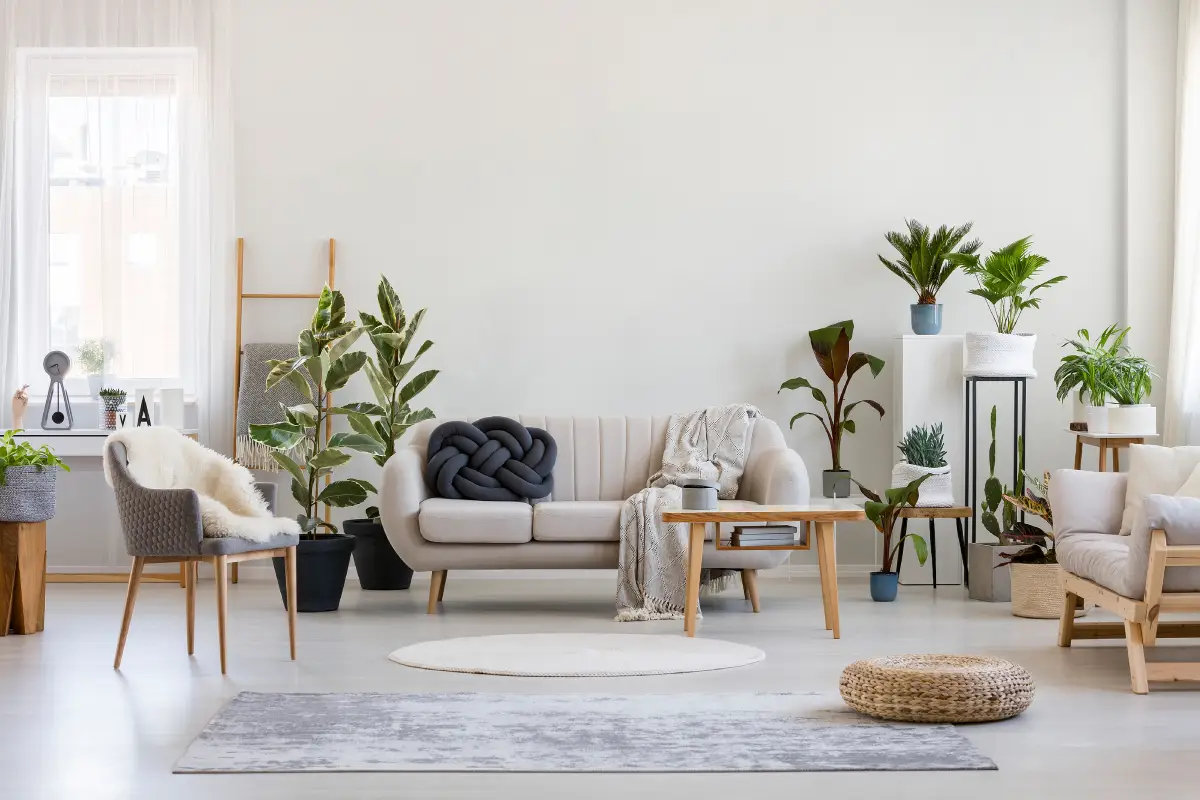
Rental performance often shifts long before a lease is signed, and insights drawn from evaluating rental success can reveal how much influence a home’s layout has on tenant choices. In Tyler, TX, renters picture daily movement through the space, how rooms connect, and whether the design supports real habits rather than staged photos. Floor plans that feel natural tend to invite stronger interest and longer commitments.
From our experience at PMI Tyler, layouts that reduce friction help tenants feel at ease sooner and stay invested in the home. In the sections below, we’ll look at how specific floor plan decisions contribute to livability, satisfaction, and steady rental performance across Tyler’s residential market.
Key Takeaways
- Practical floor plans help Tyler rentals attract stronger applicants and reduce vacancy.
- Open living areas improve flow when paired with defined functional zones.
- Strategic bedroom placement supports privacy for families and shared households.
- Flexible spaces increase appeal for evolving work and lifestyle needs.
- Well-planned kitchens, laundry areas, and storage improve daily comfort and retention.
Open Living Areas That Feel Easy to Use
Open living areas continue to resonate with renters because they create a sense of space without increasing square footage. In Tyler’s residential market, this design works best when openness supports movement and everyday use rather than feeling undefined.
National housing trends reflect this preference. According to the National Association of Home Builders, 54% of new homes include fully open kitchen and dining areas, showing how strongly renters value connected living spaces.
Creating Definition Without Walls
Successful open layouts still guide how the space functions. Islands, lighting placement, and furniture orientation help establish distinct zones for cooking, dining, and relaxing. This approach keeps the home feeling organized while maintaining an open atmosphere.
Outdoor Access as an Extension of Living Space
When a floor plan naturally connects indoor areas to patios or backyards, tenants are more likely to use and appreciate the space. In Tyler, this connection supports entertaining, family activities, and everyday relaxation, all of which increase perceived value during showings.
Bedroom Placement That Supports Privacy
Privacy often plays a larger role in tenant satisfaction than square footage alone. In Tyler, rentals frequently attract families, roommates, and multigenerational households, making bedroom placement a critical consideration.
Layouts that position bedrooms away from kitchens and main living areas help reduce noise and daily interruptions. This separation allows residents with different schedules to coexist more comfortably.
Benefits of Split-Bedroom Layouts
Split-bedroom designs place sleeping areas on opposite sides of the home or separate the primary bedroom from secondary rooms. This layout supports privacy while maintaining shared common spaces, which can lead to longer lease terms.
Logical Bathroom Placement
Bathrooms should align naturally with bedrooms. When tenants don’t need to cross high-traffic areas to access a bathroom, daily routines feel smoother and more private, improving overall livability.
Flexible Spaces That Adapt to Modern Living
Flexibility has become a defining factor in rental appeal. Many tenants need spaces that can shift between work, study, hobbies, or guest use. Nationwide, there are 36.07 million remote part-time workers, and that reality influences how renters view interior space.
Flex areas don’t need to be large to be effective. Even modest rooms or alcoves become valuable when they’re well-lit and thoughtfully positioned.
Designing Rooms for Multiple Uses
Spaces without rigid labels allow tenants to decide how the room works for them. This adaptability broadens a rental’s appeal and helps it remain competitive as renter needs evolve.
When preparing a home for new occupants, aligning layout flexibility with a rent-ready process helps tenants immediately picture how the space fits their lifestyle.
Kitchen and Laundry Layouts That Reduce Daily Friction
Tenants interact with kitchens and laundry areas every day, making layout far more important than cosmetic upgrades. In Tyler rentals, functionality often outweighs luxury features.
Efficient Kitchen Design
A practical kitchen supports smooth movement between the sink, stove, and refrigerator. Adequate counter space near appliances reduces frustration and clutter. Even small layout adjustments can dramatically improve how the space feels during daily use.
Thoughtful Laundry Placement
In-unit laundry is widely expected in residential rentals. Placement should feel convenient without interrupting traffic flow. Laundry areas tucked into logical locations support ease of use and reduce wear on surrounding spaces.
Family-Friendly and Pet-Conscious Layouts
Families and pet owners represent a significant portion of Tyler’s renter population. Floor plans that accommodate these households often lease faster and experience more consistent occupancy.
Sightlines That Support Supervision
Open sightlines between kitchens and living areas allow caregivers to supervise children while handling daily tasks. Clear pathways and fewer tight corners also help homes feel calmer and easier to navigate.
Durable Flow for Pets
Layouts that offer straightforward movement between rooms and easy outdoor access reduce stress on flooring and walls. Pairing smart design with consistent care, such as following smart maintenance strategies, helps preserve condition and comfort.
Storage and Accessibility That Encourage Longer Stays
Storage directly affects how comfortable a home feels after move-in. Rentals that lack adequate storage can feel cramped, even if they appeared spacious during showings.
Storage Areas Tenants Value Most
Tenants often look for storage that supports daily living, including:
- Bedroom closets with usable layouts
- Pantry or kitchen storage that minimizes clutter
- Linen storage near bathrooms
- Garage or exterior storage for seasonal items
Accessibility also matters. Single-level layouts appeal to a wide range of renters, while multi-level homes perform best when bedrooms and bathrooms are logically arranged. Ongoing care of these features is often guided by a targeted maintenance plan to keep them functional.
Evaluating Layout Improvements From an Investor Perspective
Not every layout improvement requires a major renovation. Investors often see better returns by focusing on changes tenants notice immediately.
Walk the Property Like a Tenant
Consider how someone enters the home, drops belongings, prepares meals, and relaxes at the end of the day. This walkthrough often highlights friction points that affect satisfaction more than cosmetic details.
Balance Design With Maintenance Practicality
Layout decisions influence long-term upkeep. Easy access to mechanical systems, durable materials in high-traffic areas, and logical room flow help reduce maintenance challenges. Many owners confirm conditions through a professional management review before committing to layout changes.
Stay Competitive Without Overbuilding
The goal is functionality that matches the local market. Layouts that support privacy, flexibility, and everyday comfort tend to outperform trend-focused upgrades that don’t improve livability.
FAQs about Creating the Best Floor Plan in Tyler, TX
How do floor plans influence tenant decision-making during showings?
Tenants often decide within minutes whether a home feels intuitive, and layouts that feel easy to move through help renters picture daily life more clearly, which can increase application confidence.
Do certain layouts reduce maintenance issues over time?
Yes. Floor plans with logical traffic flow and accessible utility areas can reduce wear on high-use spaces, making it easier to manage upkeep and limit recurring repair concerns.
What layout details matter most for long-term renters?
Long-term renters tend to value layouts that support privacy, storage needs, and flexible room use, since those features allow the home to adapt as routines and household needs change.
Can layout design affect how tenants treat a property?
Homes that feel functional and comfortable often encourage tenants to take better care of the space, since frustration caused by awkward layouts can sometimes lead to misuse or neglect.
How can investors evaluate layout potential without renovating?
Investors can assess layout value by observing how spaces connect, how noise travels, and whether rooms support multiple uses, often identifying improvements without structural changes.
Turning Smart Layouts Into Lasting Rental Value
A well-designed floor plan sets expectations, but consistent care is what keeps tenants satisfied long after move-in. When layouts support real routines and the home stays reliable, residents feel confident settling in, renewing leases, and treating the property with care. That sense of ease often shows up as fewer service issues, steadier occupancy, and stronger long-term returns.
At PMI Tyler, we help residential investors in Tyler, TX, protect that momentum by keeping properties running smoothly behind the scenes. Preserve comfort, functionality, and long-term performance when you maintain rental performance with confidence through our professional maintenance services.
